
Inspection Contingencies in New Jersey Home Purchases
You’ve found the house you want, but the inspection reveals problems that could cost thousands to repair. What happens if the seller refuses to fix them? In New Jersey, an inspection contingency may allow you to negotiate repairs or cancel the purchase without forfeiting your deposit. However, these rights depend on your contract, and missing a deadline could limit your options.
At NJ Real Estate Law Group, we help homebuyers in Howell and throughout New Jersey review purchase agreements, address inspection concerns, and protect their interests before closing. If unexpected defects have raised questions about your purchase, contact us to schedule a free phone consultation and understand your legal options.
How Inspection Contingencies Protect Homebuyers
An inspection contingency gives you certain contractual rights when a property inspection reveals defects or environmental concerns. Depending on your agreement, you may be able to request repairs, negotiate changes to the purchase terms, or withdraw from the transaction.
Some agreements distinguish significant defects from ordinary wear and minor maintenance issues. Others specify which problems qualify for objections or give the seller an opportunity to correct them.
Before signing, check what the contingency covers, how objections must be submitted, and the circumstances under which you can cancel.
Inspection Deadlines and Attorney Review
Your inspection deadline is established by the purchase contract and is separate from New Jersey’s attorney-review period.
For qualifying residential contracts prepared by real estate licensees, New Jersey generally provides three business days for attorney review. The period begins when the fully signed contract has been delivered to both parties, excluding Saturdays, Sundays, and legal holidays.
The widely used NJ REALTORS standard sales contract includes a default inspection period of 14 calendar days when the relevant deadline is left blank. This period generally begins after attorney review concludes or the parties agree on revised terms.
However, your agreement may establish a different deadline. The inspection period may also require you to submit written reports and repair requests, not merely complete the physical inspection. Missing these requirements could result in losing your contingency protections.
Property Defects That May Affect the Purchase
Structural damage, faulty systems, and environmental problems may trigger inspection-contingency protections, depending on your contract.
Issues that commonly warrant further evaluation include:
Foundation cracks and structural damage
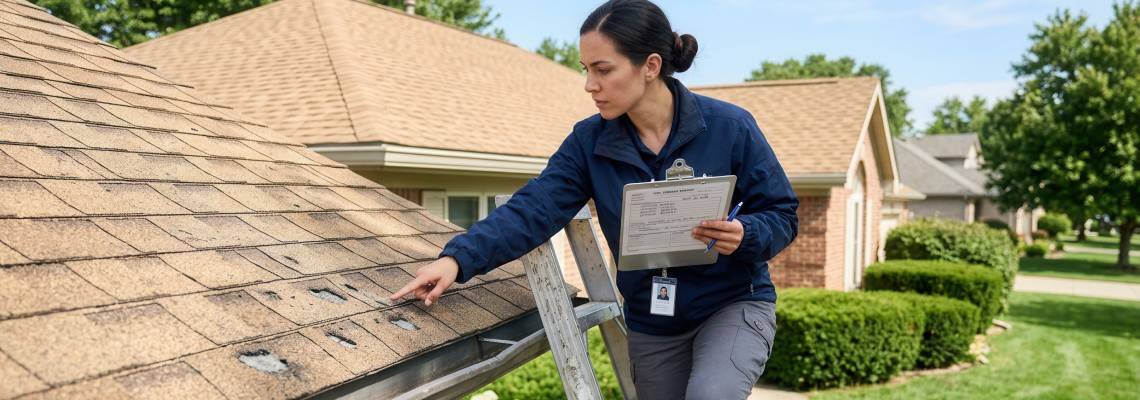
Roof leaks and water intrusion
Electrical or plumbing defects
Heating and cooling system problems
Drainage issues and basement moisture
Termite damage and pest infestations
Additional testing may be necessary for radon, septic systems, underground oil tanks, or suspected environmental contamination.
Some of these concerns are governed by separate contractual provisions. For example, the NJ REALTORS standard contract contains distinct requirements for radon and wood-boring insects. You should not assume that every defect follows the same repair or cancellation procedure.
Under the Real Estate Consumer Protection Enhancement Act (P.L. 2024, c.32), New Jersey residential sellers generally must provide a property condition disclosure statement before the buyer becomes contractually obligated.
Although seller disclosures provide useful information, they do not replace an independent inspection. As the New Jersey Department of Banking and Insurance explains, qualified inspectors can identify defects that may need repair or replacement.
Negotiating Repairs After an Inspection
If an inspection reveals qualifying defects, you may request repairs, negotiate a price reduction, or seek a closing credit. The seller’s response and your available remedies depend on the purchase agreement. Typically, you must submit written inspection reports identifying the problems and specifying the repairs requested.
Under the NJ REALTORS standard contract's general defect provisions, the seller generally has seven business days after receiving the reports to notify the buyer in writing whether the seller agrees to correct or cure the reported defects. Failure to respond is treated as a refusal.
Through our residential real estate representation, we can help document any agreement so the revised terms clearly identify:
Repairs the seller agrees to complete
Any negotiated credits or price adjustments
Deadlines for completing the work
Documentation required to confirm completion
Before closing, a final walkthrough can help verify that agreed-upon repairs have been completed.
Canceling the Purchase and Recovering Your Deposit
You may be able to cancel the purchase and recover your deposit if qualifying defects remain unresolved and you follow the contract’s termination requirements.
Under the general defect provisions of the NJ REALTORS standard contract, if the seller refuses to correct qualifying defects within the prescribed seven-business-day response period, the buyer generally has another seven business days to cancel by written notice.
Different provisions may apply to radon, termite damage, and other specified conditions. Your signed agreement determines the applicable rights and deadlines. Failure to give the required notice on time can result in losing the right to cancel under the contingency.
If you terminate properly, your contract may entitle you to recover your earnest money deposit. However, disputes over compliance with the agreement or withdrawing without a valid contractual or legal basis could place your deposit at risk and potentially expose you to other contractual remedies.
Inspection Rights in As-Is Purchases
Buying a property “as is” does not automatically eliminate your inspection rights.
An as-is provision generally means the seller is offering the property in its existing condition without agreeing in advance to make repairs. However, your contract may still permit inspections and allow cancellation if specified defects are discovered.
The NJ REALTORS standard contract, for example, incorporates as-is language while preserving inspection rights under its contingency provisions.
New Jersey sellers also remain subject to applicable disclosure obligations, including requirements concerning known material defects. An as-is provision does not automatically excuse nondisclosure of such conditions.
Risks of Waiving an Inspection Contingency
Waiving an inspection contingency can leave you responsible for expensive problems discovered after signing the contract.
In competitive markets, you might consider a waiver to make your offer more attractive. However, removing the contingency may eliminate important opportunities to negotiate repairs or withdraw based on the property’s condition.
The consequences depend on the waiver’s wording and the surrounding circumstances. Other legal remedies may remain available, including those involving certain disclosure violations, but they are not substitutes for contractual inspection protections.
A limited contingency may sometimes offer an alternative to a complete waiver. For example, you could negotiate language restricting objections to particular categories of significant defects.
Protect Your Home Purchase With NJ Real Estate Law Group
At NJ Real Estate Law Group, we represent homebuyers throughout New Jersey in residential real estate transactions, including contract review, inspection negotiations, and closings.
Our Howell-based firm concentrates exclusively on real estate matters. We provide direct access to our attorneys, Michael J. Weber, Esq., and Heather Fabiyan, Esq., by phone and email, along with written fee information upfront, with no hidden charges. From our office at 2380 Route 9 South, Suite 3, Howell, NJ 07731, we help you address contractual concerns before they jeopardize your transaction.
If an inspection has revealed problems with a home you’re purchasing, call (732) 443-3542 to review your options before the applicable deadline passes.